
Fine ceramics are no longer niche materials used only in laboratories or highly specialized equipment. They have become a practical solution for manufacturers, engineers, and procurement teams that need better heat resistance, wear performance, electrical insulation, dimensional stability, and long service life. This article explains what fine ceramics are, where they solve real production problems, how to evaluate them against metals and plastics, and what buyers should check before placing an order. It also shows how companies such as Nextgen Advanced Materials INC help customers move from general material interest to parts that actually perform in demanding environments.
Many industrial buyers arrive at fine ceramics after running into the same frustrating pattern: a metal part corrodes too quickly, a polymer component deforms under heat, an insulating part starts to fail in harsh environments, or repeated maintenance begins to cost more than the original component itself. At that point, the issue is no longer just price. It becomes a question of process reliability, downtime, quality risk, and replacement frequency.
That is exactly where fine ceramics start to look less like an exotic option and more like a sensible engineering choice. They are widely valued for properties such as hardness, wear resistance, thermal stability, electrical insulation, and chemical resistance. For customers in electronics, machinery, thermal systems, semiconductor-related processing, energy equipment, and precision manufacturing, those properties speak directly to daily operational problems rather than abstract material theory.
This growing interest also reflects a shift in buying behavior. Teams are no longer asking only, “What is the cheapest part I can source today?” They are increasingly asking, “Which material gives me the most stable output, the lowest lifecycle risk, and the fewest unpleasant surprises in production?” That is why companies like Nextgen Advanced Materials INC are being approached not just for catalog items, but also for customized solutions that need to meet specific dimensional, thermal, electrical, or wear-related requirements.
Fine ceramics are high-performance ceramic materials manufactured from refined raw materials under tightly controlled processing conditions. Unlike everyday ceramics used for household or decorative purposes, fine ceramics are engineered for functional performance. Their microstructure, purity, grain size, density, and finishing are managed much more carefully because the final part is expected to do a job inside a demanding working system.
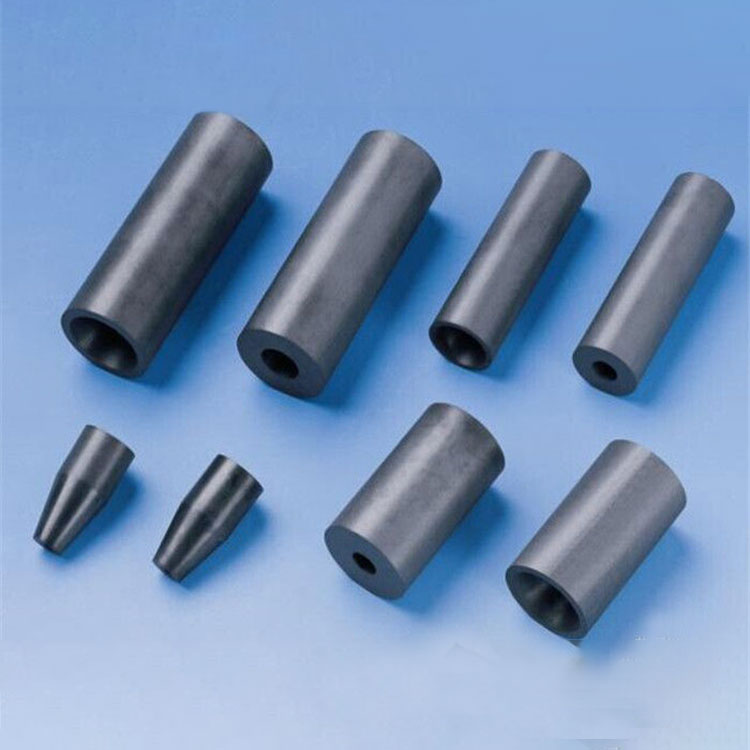
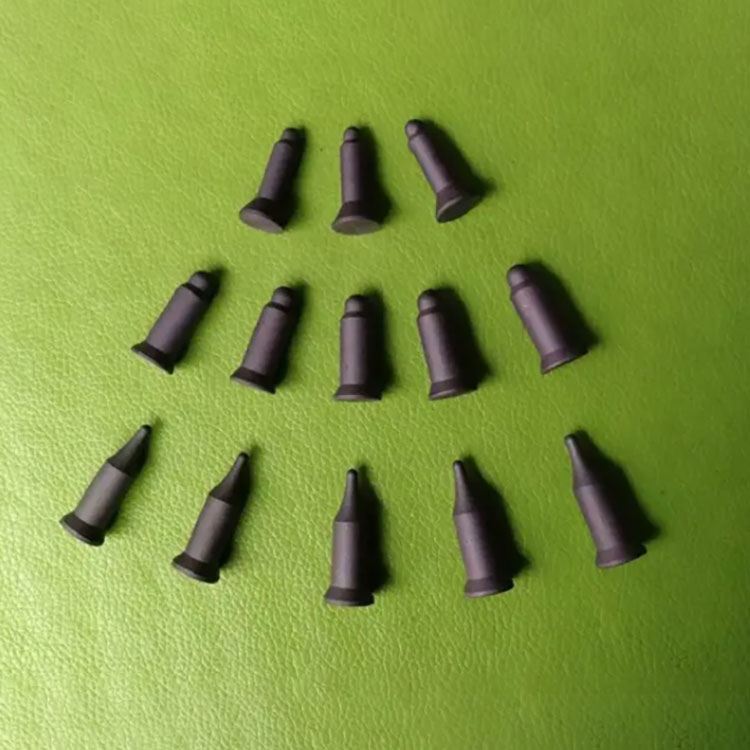
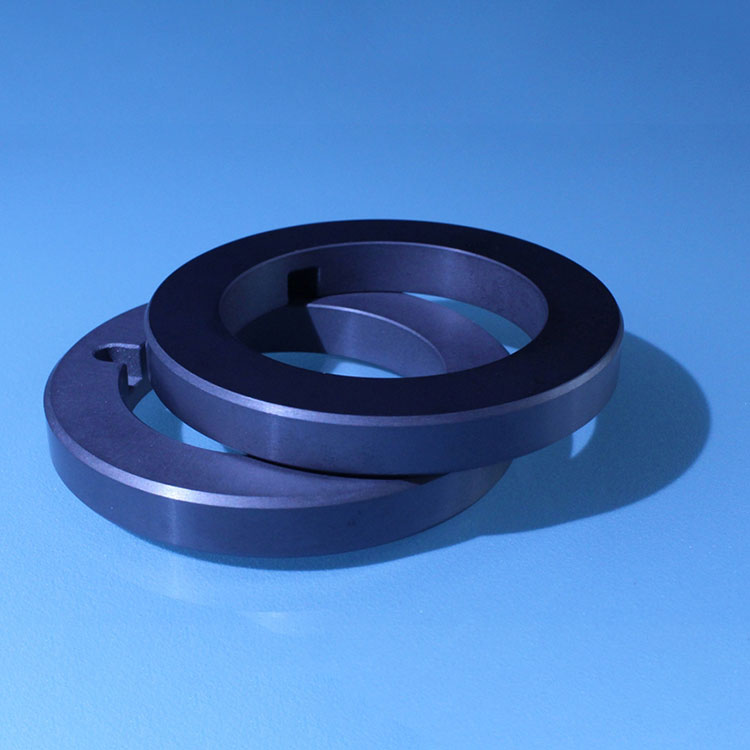
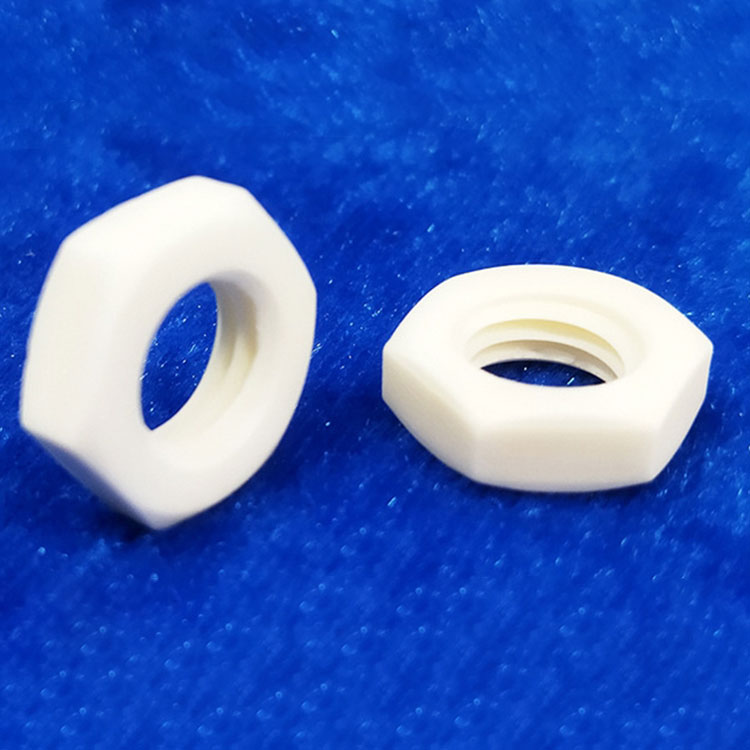
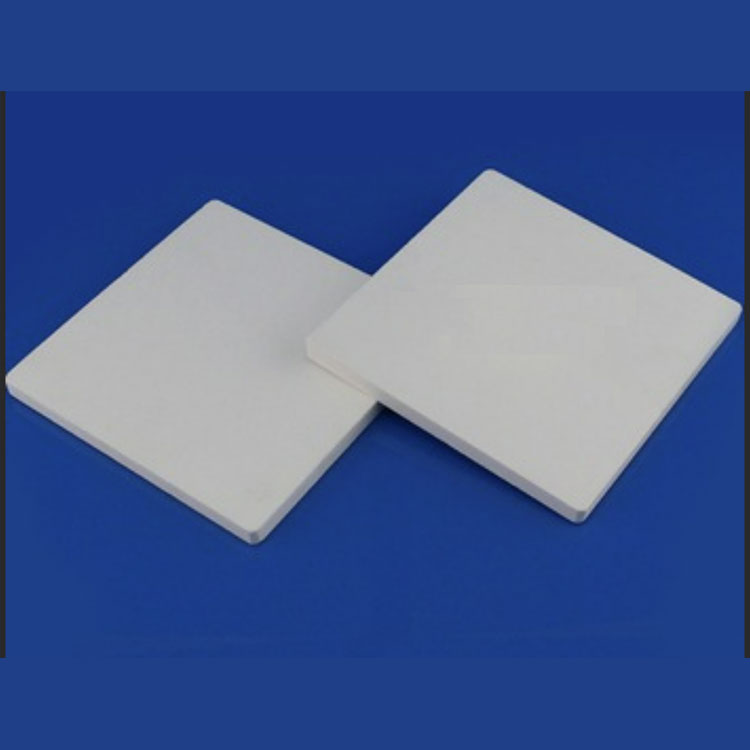
In practical terms, that means fine ceramics are chosen because they can keep their shape under heat, resist friction, insulate electricity, tolerate aggressive media, or support precision applications where consistency matters. They are often used in the form of plates, rods, rings, fasteners, bearings, tubes, nozzles, substrates, and other technical parts.
| Aspect | Traditional Ceramics | Fine Ceramics |
|---|---|---|
| Main purpose | Decorative, structural, or household use | Functional industrial and technical use |
| Raw material control | Relatively basic | Highly refined and tightly controlled |
| Performance focus | General durability and appearance | Heat, wear, insulation, corrosion, dimensional precision |
| Typical applications | Tiles, tableware, sanitary ware | Semiconductor parts, seals, bearings, insulators, furnace components |
Buyers usually do not search for a new material because they are curious. They search because something in the current process is not working well enough. Fine ceramics are especially valuable when the problem is recurring, expensive, and difficult to fix with minor design changes.
In other words, fine ceramics are often the answer when the real cost is hidden in breakdowns, contamination, instability, or rework rather than in the unit price of the component itself.
Not all fine ceramics behave the same way, and that is where many buyers get stuck. One of the most common mistakes is treating “ceramic” as a single category. In reality, material selection should be tied to the operating environment, mechanical demands, temperature range, and electrical requirements.
| Material | Common Strengths | Typical Use Direction |
|---|---|---|
| Alumina Ceramic | Good hardness, insulation, wear resistance, cost balance | Insulators, wear parts, substrates, general industrial components |
| Zirconia Ceramic | High strength, relatively high toughness, dimensional stability | Precision parts, bearings, valves, structural components |
| Silicon Nitride Ceramic | Strong mechanical performance, thermal shock resistance, wear resistance | Bearings, rollers, welding and high-load components |
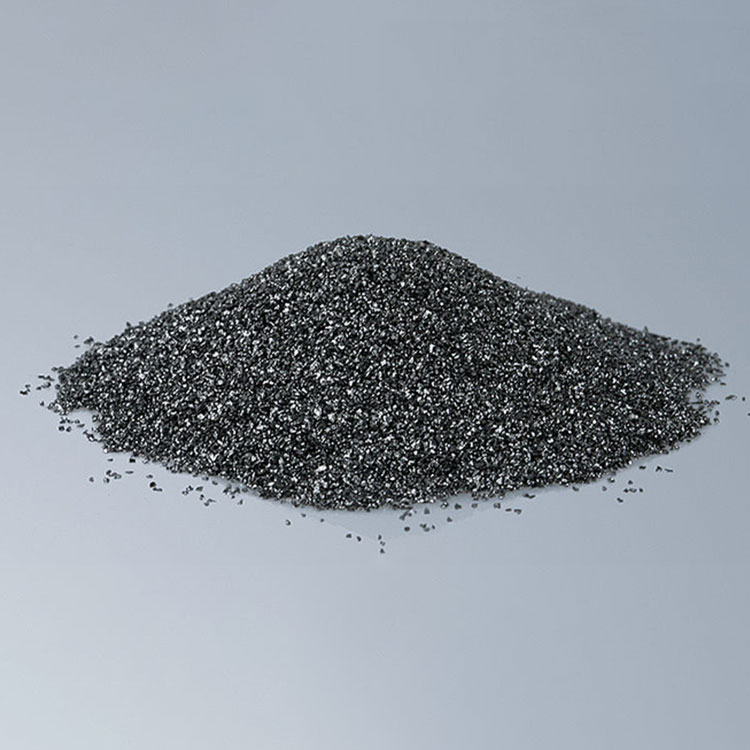
| Silicon Carbide Ceramic | Excellent hardness, high-temperature capability, corrosion resistance | Nozzles, seals, kiln parts, severe wear environments |
| Aluminum Nitride Ceramic | Electrical insulation with high thermal conductivity | Electronic thermal management and advanced technical assemblies |
| Boron Nitride Ceramic | Useful in specialized high-temperature and non-wetting conditions | Thermal processing and certain advanced manufacturing environments |
The right choice depends on your actual working conditions, not just a material data sheet headline. That is why clear communication with the supplier matters. A buyer who shares application temperature, load, media exposure, tolerance requirements, and part geometry will usually get a far better recommendation than one who only asks for a quote on “ceramic parts.”
Buyers often compare fine ceramics with stainless steel, tool steel, aluminum alloys, PEEK, PTFE, or other engineering materials. There is no single winner in every scenario, but there are many situations where ceramics offer a more stable long-term answer.
This is why selection should never be based on one property alone. A part that looks inexpensive at the purchasing stage can become expensive if it causes stoppages, frequent maintenance, or quality variation.
A good ceramic part is not only about the material itself. It is also about manufacturing capability, quality consistency, finishing accuracy, and the supplier’s ability to understand the application. That makes supplier evaluation just as important as product evaluation.
This is where a company such as Nextgen Advanced Materials INC can be valuable to buyers who want more than a simple catalog transaction. When a supplier can cover multiple fine ceramic materials and discuss application fit more clearly, the sourcing process becomes much less risky.
The best way to understand the value of fine ceramics is to look at what they improve in the real world. They are often chosen because they help equipment run cleaner, longer, hotter, more accurately, or with fewer interruptions.
In these cases, fine ceramics are not simply “premium materials.” They are problem-solving materials. When selected properly, they help reduce maintenance pressure, improve process stability, and support more predictable output.
What are fine ceramics mainly used for?
Fine ceramics are mainly used for technical applications that require wear resistance, thermal stability, electrical insulation, corrosion resistance, or precision performance. Common uses include industrial components, electronic parts, seals, bearings, nozzles, and high-temperature assemblies.
Which fine ceramic material is best?
There is no single best option for every project. Alumina, zirconia, silicon nitride, silicon carbide, and other materials each have different strengths. The right choice depends on the actual working environment, performance target, and cost range.
Are fine ceramics better than metal parts?
They can be better in applications involving corrosion, insulation, wear, and high heat. However, metals may still be the better option when impact tolerance, ductility, or certain structural needs are the priority.
Do fine ceramics break easily?
Fine ceramics are hard and stable, but they are not chosen for every kind of mechanical load. Proper design, material selection, and application matching are essential. A well-selected ceramic part can perform extremely reliably, but the wrong ceramic in the wrong design can create avoidable risk.
Can fine ceramics be customized?
Yes. Many industrial buyers require customized dimensions, shapes, tolerances, and surface finishes. That is why supplier capability matters just as much as the material itself.
Fine ceramics deserve serious attention from buyers who are dealing with repeated wear, unstable thermal performance, insulation problems, corrosion exposure, or demanding precision requirements. The real value is not simply that these materials are advanced. The value is that they solve stubborn production problems that ordinary materials often fail to handle consistently.
If your team is evaluating a part upgrade, a redesign, or a more reliable sourcing path for technical ceramic components, it makes sense to start with application details and material fit rather than price alone. A stronger decision usually begins with a better conversation. If you are exploring fine ceramics for your next project, contact us to discuss your working conditions, drawings, and performance goals with the team at Nextgen Advanced Materials INC.