

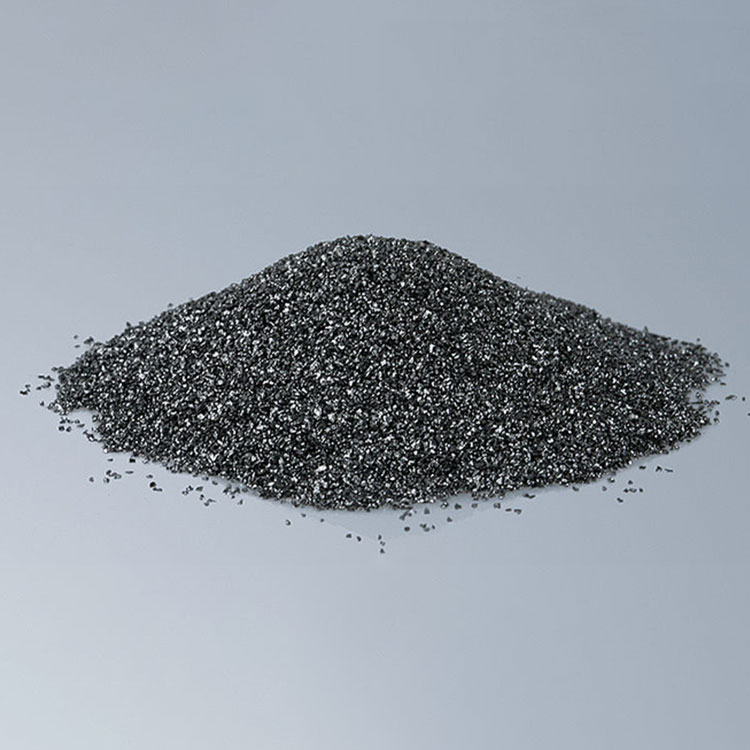
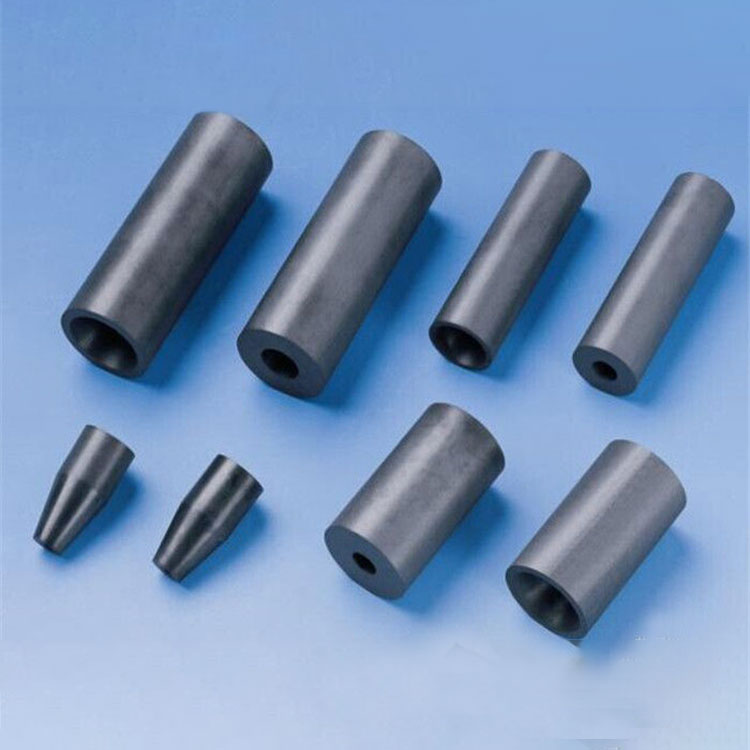
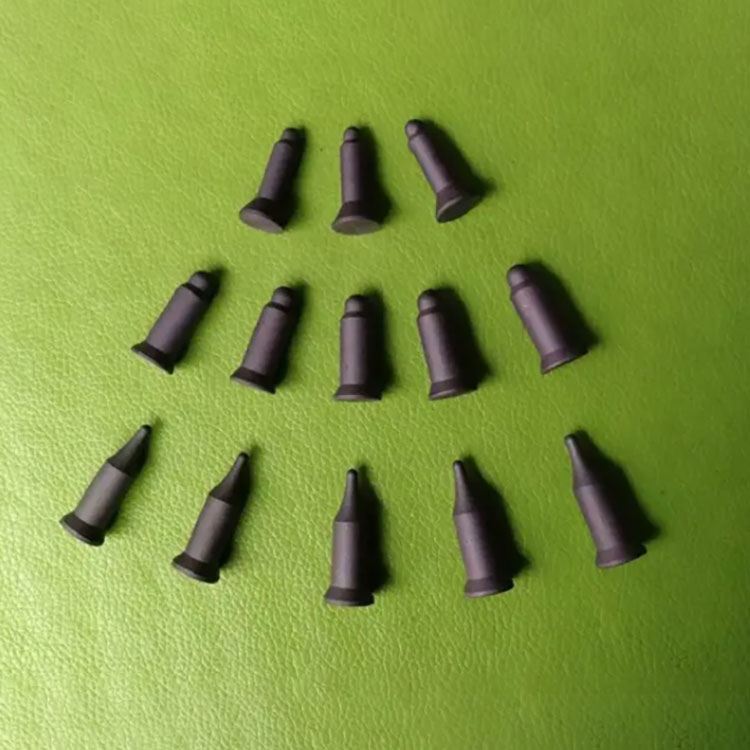
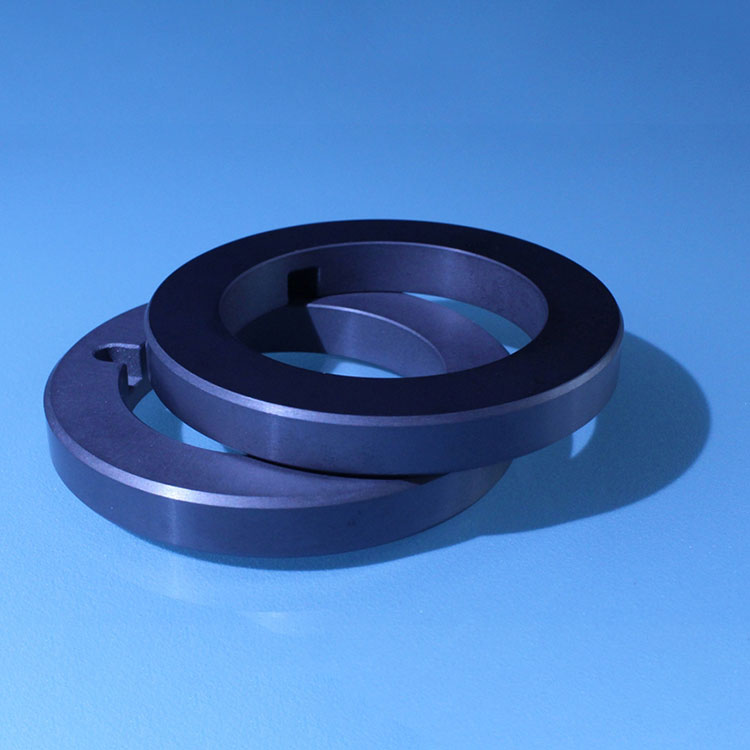
Hot-Pressed Grade Boron Carbide B4C has emerged as a leading choice in industries demanding extreme hardness, lightweight performance, and superior wear resistance. In this article, we explore its properties, applications, manufacturing process, and advantages. We will also provide technical data, real-world use cases, and answer frequently asked questions to guide engineers, manufacturers, and procurement specialists in understanding the value of this advanced ceramic material from Nextgen Advanced Materials.
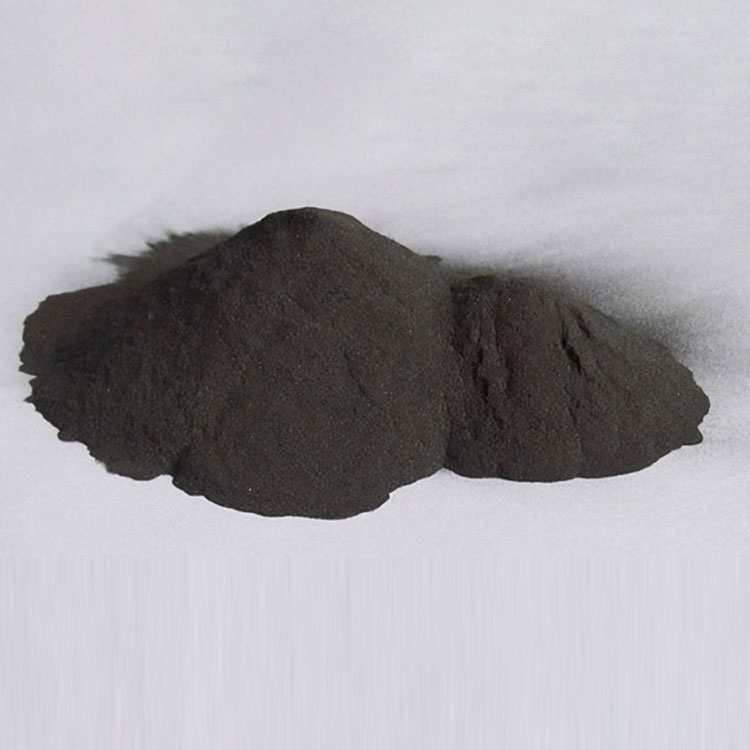
Table of Contents
What is Hot-Pressed Grade Boron Carbide B4C?
Hot-Pressed Grade Boron Carbide B4C is a high-performance ceramic known for its exceptional hardness, low density, and chemical stability. Produced through hot-pressing techniques, this material offers superior mechanical properties compared to traditionally sintered boron carbide. Nextgen Advanced Materials specializes in providing high-quality B4C components for critical applications across multiple industries.
What Are the Key Properties of B4C?
- Hardness: Extremely high, ranking third after diamond and cubic boron nitride.
- Density: Lightweight, allowing for efficient protective solutions.
- Wear Resistance: Excellent, suitable for high-friction environments.
- Chemical Stability: Resistant to acids and alkalis.
- Thermal Resistance: Maintains structural integrity under extreme temperatures.
- Electrical Insulation: Functions as a dielectric material in electronic applications.
How Is Hot-Pressed B4C Manufactured?
The production of Hot-Pressed Grade Boron Carbide B4C involves applying heat and pressure simultaneously to boron carbide powders. This process densifies the material, eliminating porosity and enhancing mechanical strength. Below is a step-by-step summary of the hot-pressing process:
- Powder Preparation: Boron carbide powders are refined to a uniform particle size.
- Mixing and Additives: Binders or sintering aids may be incorporated.
- Hot Pressing: The powder mixture is subjected to high temperatures and pressures in a controlled environment.
- Cooling and Machining: The dense B4C block is cooled and cut into desired shapes.
- Quality Control: Final inspection ensures mechanical and chemical standards are met.
Which Industries Benefit from B4C?
Hot-Pressed Grade Boron Carbide B4C is widely adopted across sectors that demand extreme durability, including:
- Defense: Lightweight armor plating for personnel and vehicles.
- Aerospace: Protective components and high-temperature wear parts.
- Industrial Machinery: Nozzles, seals, and cutting tools resistant to abrasion.
- Nuclear: Neutron absorber components in reactors.
- Electronics: High-performance ceramic substrates and insulators.
Why Choose Hot-Pressed Grade B4C?
Choosing Hot-Pressed Grade Boron Carbide B4C offers several competitive advantages:
| Feature | Benefit |
|---|---|
| Exceptional Hardness | Provides unmatched wear resistance in high-friction applications. |
| Lightweight | Reduces structural load, especially in armor and aerospace components. |
| Thermal Stability | Maintains performance under extreme temperatures. |
| Chemical Inertness | Resists corrosion, extending component life in harsh environments. |
| Precision Machinable | Allows for custom shapes and tight tolerances. |
Technical Specifications of B4C
| Parameter | Typical Value | Unit |
|---|---|---|
| Density | 2.52–2.55 | g/cm³ |
| Hardness (Vickers) | 2800–3000 | HV |
| Elastic Modulus | 450 | GPa |
| Fracture Toughness | 3.5 | MPa·m1/2 |
| Flexural Strength | 350–400 | MPa |
| Grain Size | 5–15 | µm |
FAQ About Hot-Pressed Grade Boron Carbide B4C
1. What is the difference between hot-pressed and sintered B4C?
Hot-pressed B4C achieves higher density and superior mechanical properties due to simultaneous heat and pressure application, while traditional sintered B4C may have residual porosity.
2. Can B4C be customized into complex shapes?
Yes, Nextgen Advanced Materials can machine B4C into intricate geometries for specialized applications.
3. Is B4C resistant to chemical corrosion?
Absolutely. Boron carbide is chemically inert and resists most acids and alkalis.
4. What industries should consider using B4C?
Defense, aerospace, industrial machinery, nuclear, and electronics industries benefit the most from B4C’s unique properties.
5. How does B4C perform under high temperatures?
Hot-Pressed B4C maintains structural integrity under temperatures up to 2200°C, making it ideal for extreme thermal conditions.
Conclusion & Contact
Hot-Pressed Grade Boron Carbide B4C is a versatile and high-performance ceramic material suitable for a wide range of demanding applications. Its unmatched hardness, lightweight nature, chemical resistance, and thermal stability make it a top choice for engineers and manufacturers worldwide. For reliable quality and customized solutions, trust Nextgen Advanced Materials.
Ready to explore the potential of Hot-Pressed Grade Boron Carbide B4C for your projects? Contact us today to get expert guidance and quotes tailored to your requirements.